I suppose that every family has “in” expressions, mottos or slogans in much the same way that they have “in” jokes. While you may hear only a phrase -the family knows the entire story behind those few words.
For our family, we all understand and get inspired by this expression, “I’ll take the first circus.”
It came from an anecdote that my husband and I read in the Readers’ Digest about a little girl in a town soon to be visited by three circuses. Her father explained to her that the family was not financially able to take her to all three circuses and could take her only to one. The first circus would be just a small one, while the third would be the best and biggest, and presumably the most expensive. “I’ll take the first circus,” she said, and so her parents took her to the first. A few months later, when the second circus came, the family’s finances had improved and they were able to take her to the second. And finally, they found that they could afford to get tickets to the third and most expensive circus.
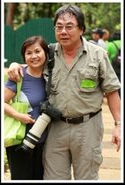
In 1989, my husband had a photography assignment in Germany. It was going to be his first trip to Europe. While he was there, I faxed him that I could go when his job was finished so he and I could travel together. We had very little money so he said that maybe it would be better to wait for another time when we could afford to visit other European countries as well. Pleading, I faxed him again “I’ll take the first circus.” Remembering the story, he said yes!
Like the little girl who chose to take the first circus, I have managed to go to Europe three times - to Germany and France in 1989, then again in 1992 (six countries) with my eldest daughter, and in 1996, in a trip with the entire family – my husband and three young daughters.
In our family, a prospect of limited opportunity will not be turned down. Instead, you will hear us say, “I’ll take the first circus.”
Showing posts with label family. Show all posts
Showing posts with label family. Show all posts
Wednesday, June 13, 2007


Saturday, April 21, 2007
My Paternal Grandmother
I’m trying to remember whatever I could of my grandmother, but I do not have much to go by.
My father’s mother’s name was Liberata Santos. Although she lived to be 85, and I was already in college when she died, I had very scant memories of her, of which very little was based on my own personal experience with her. Most of the stories that I heard about my grandmother were from my aunt and my cousins, with whom she lived, in the big house next to ours.
I do remember that before I started going to grade school, I would go with her to help her peddle fresh fish that she carried on a bilao on her head. Usually, we would not go far, as she had her “suki” (regular patrons) in Don Galo, especially the Pulo area, who regularly bought from her, fish and sometimes some tomatoes, kangkong and labanos for making sinigang. I would be her only grandchild who was available to accompany her as all my cousins were going to school, while my sister and another brother were too young. My older brother was not someone she counted on, and in those days, probably not someone expected to help.
I do remember her long white hair that she regularly treated with coconut oil. She would get the coconut milk (derived by squeezing grated coconut meat) from the maid or her loyal houseboy, Polonio, but would cook it herself to extract the oil. The coconut while being cooked this way was very aromatic, but what we would wait for was the brown “latik” that was formed when coconut milk was cooked. That was delicious. She would transfer the coconut oil to a small bottle and wait for it to cool, and then apply it to her hair. Her straight white hair reached almost her knees, but since she was shorter than 4’10”, that wasn’t too long. She was a bit plump and very fair. Although she spoke a little Spanish (just the prayers and the cusswords), it was obvious from her facial features that she was not Spanish.
For reasons I never got to find out, we addressed and referred to her, not as “Lola” which is the common way, but as “Grandmother” (pronounced the Filipino way – granmader). Her younger relatives called her "Lola" or "Nanang Berata."
I do remember that she was diabetic, and she used to “steal” spoonfuls of sugar from the sugar container, which was kept in my aunt’s trusty GE refrigerator. When caught in the act, she would fight off my cousins who would try to take away the sugar from her. In the physical struggle over a spoonful of sugar, she would always lose, as my cousins were taller and stronger, but that would not stop her from cursing them and her illness, in a flurry of Tagalog and Spanish expletives. Soon, she developed a gangrenous toe that would not heal, and when that was amputated, she finally acquiesced to not having sugar.
When she was too old and sick to sell fish, she kept herself busy by sweeping their front yard with a walis tingting, and sometimes, squatting alongside the asphalted main street (there were no concrete sidewalks then) to arrange the pebbles and stones on the ground. She did not find television (then in its early days – black and white, no remote control, and only two or three channels) entertaining, but would try reading newspapers in English, by syllabicating the words, as English was not a language she knew.
I remember the stories about her because my cousins often teased her about them. She was 16 when she first got married, and had a daughter, my aunt, Kakang Salud (Salud Gutierrez), before she was widowed at age 20. At 24, she married a widower, my grandfather Alejandro Valentino, who had one daughter, Kakang Floring (Florencia Valentino). Lolo Andoy was a cochero. Their union produced my father, Ruperto (“Peting”), but it was, again, a short-lived marriage. At 28 she was widowed for the second time and never remarried. She continued to take care of the three children, two of her own, and her stepdaughter from her second husband.
Although I never saw her wear them, I did get some occasions of seeing her bring out her baro’t saya with matching panuelo. She must have valued those clothes, or why would she keep them when she had no more use for them?
At six o’clock every evening, she prayed the rosary, in Tagalog, and some prayers in Spanish, before an image of Our Lady of the Immaculate Conception, which she kept in an altar in her room. After my grandmother died, this antique image of the Virgin Mary, about sixteen inches in height and encased in glass because she was dressed in a beautifully beaded white and blue dress and made valuable by her ivory hands and face, was transferred to the main altar of my aunt’s house. It was treasured as a family relic from my grandmother.
My “granmader” died in her sleep, in 1966 at the age of 85. I was 20 years old then.
I never thought of keeping a picture of my grandmother, but last week when I visited my cousins, I asked if they were able to save any pictures of her. Unfortunately, a fire gutted my cousins’ house and my parents’ house a few years ago, and nothing was saved – not any photos, not her “baro’t saya” and “panuelos,” and not the image of the Blessed Virgin Mary of the Immaculate Conception, which was her most prized possession.
Deprived of any physical reminders, I would just have to keep an image of her in my mind, and hope that this story would help introduce my grandmother to my children, especially when I get too old to remember correctly.
My father’s mother’s name was Liberata Santos. Although she lived to be 85, and I was already in college when she died, I had very scant memories of her, of which very little was based on my own personal experience with her. Most of the stories that I heard about my grandmother were from my aunt and my cousins, with whom she lived, in the big house next to ours.
I do remember that before I started going to grade school, I would go with her to help her peddle fresh fish that she carried on a bilao on her head. Usually, we would not go far, as she had her “suki” (regular patrons) in Don Galo, especially the Pulo area, who regularly bought from her, fish and sometimes some tomatoes, kangkong and labanos for making sinigang. I would be her only grandchild who was available to accompany her as all my cousins were going to school, while my sister and another brother were too young. My older brother was not someone she counted on, and in those days, probably not someone expected to help.
I do remember her long white hair that she regularly treated with coconut oil. She would get the coconut milk (derived by squeezing grated coconut meat) from the maid or her loyal houseboy, Polonio, but would cook it herself to extract the oil. The coconut while being cooked this way was very aromatic, but what we would wait for was the brown “latik” that was formed when coconut milk was cooked. That was delicious. She would transfer the coconut oil to a small bottle and wait for it to cool, and then apply it to her hair. Her straight white hair reached almost her knees, but since she was shorter than 4’10”, that wasn’t too long. She was a bit plump and very fair. Although she spoke a little Spanish (just the prayers and the cusswords), it was obvious from her facial features that she was not Spanish.
For reasons I never got to find out, we addressed and referred to her, not as “Lola” which is the common way, but as “Grandmother” (pronounced the Filipino way – granmader). Her younger relatives called her "Lola" or "Nanang Berata."
I do remember that she was diabetic, and she used to “steal” spoonfuls of sugar from the sugar container, which was kept in my aunt’s trusty GE refrigerator. When caught in the act, she would fight off my cousins who would try to take away the sugar from her. In the physical struggle over a spoonful of sugar, she would always lose, as my cousins were taller and stronger, but that would not stop her from cursing them and her illness, in a flurry of Tagalog and Spanish expletives. Soon, she developed a gangrenous toe that would not heal, and when that was amputated, she finally acquiesced to not having sugar.
When she was too old and sick to sell fish, she kept herself busy by sweeping their front yard with a walis tingting, and sometimes, squatting alongside the asphalted main street (there were no concrete sidewalks then) to arrange the pebbles and stones on the ground. She did not find television (then in its early days – black and white, no remote control, and only two or three channels) entertaining, but would try reading newspapers in English, by syllabicating the words, as English was not a language she knew.
I remember the stories about her because my cousins often teased her about them. She was 16 when she first got married, and had a daughter, my aunt, Kakang Salud (Salud Gutierrez), before she was widowed at age 20. At 24, she married a widower, my grandfather Alejandro Valentino, who had one daughter, Kakang Floring (Florencia Valentino). Lolo Andoy was a cochero. Their union produced my father, Ruperto (“Peting”), but it was, again, a short-lived marriage. At 28 she was widowed for the second time and never remarried. She continued to take care of the three children, two of her own, and her stepdaughter from her second husband.
Although I never saw her wear them, I did get some occasions of seeing her bring out her baro’t saya with matching panuelo. She must have valued those clothes, or why would she keep them when she had no more use for them?
At six o’clock every evening, she prayed the rosary, in Tagalog, and some prayers in Spanish, before an image of Our Lady of the Immaculate Conception, which she kept in an altar in her room. After my grandmother died, this antique image of the Virgin Mary, about sixteen inches in height and encased in glass because she was dressed in a beautifully beaded white and blue dress and made valuable by her ivory hands and face, was transferred to the main altar of my aunt’s house. It was treasured as a family relic from my grandmother.
My “granmader” died in her sleep, in 1966 at the age of 85. I was 20 years old then.
I never thought of keeping a picture of my grandmother, but last week when I visited my cousins, I asked if they were able to save any pictures of her. Unfortunately, a fire gutted my cousins’ house and my parents’ house a few years ago, and nothing was saved – not any photos, not her “baro’t saya” and “panuelos,” and not the image of the Blessed Virgin Mary of the Immaculate Conception, which was her most prized possession.
Deprived of any physical reminders, I would just have to keep an image of her in my mind, and hope that this story would help introduce my grandmother to my children, especially when I get too old to remember correctly.
Saturday, March 31, 2007
Home-home
Thursday, November 09, 2006
“If we would go home to our “home-home” no matter how late, I will come to work no matter how early,” was my offer to my husband to persuade him to take us home to our new house as often as possible, hopefully everyday.
Just a few months ago, we bought a 15-year old house in the suburbs after living in a combined home and photo studio on a busy and noisy main street of Makati for the past 26 years (plus another 4 years at another Makati address that was also both studio and residence). Although I have always been longing for it, I have only belatedly experienced the joy of living away from work. We did not really transfer residences, but instead maintain two homes -one in Makati where we work, and the other in Alabang, which I call our “home-home”).
There are many advantages to living where we work. Having the house above the studio means that all we need is a 2-second commute between one and the other. Living there also meant that we were accessible to our children (when they were young and still living at home) even at our busiest times, and we didn’t have to worry about children we left at home, if we had lived elsewhere. Our children also grew up exposed to the work that we did, and often took interest in them.
It is also a convenient location. I can grab a cab just by stepping out of our house/office. We are very near the country’s primary business district. The supermarket, wet market, church, banks and our favorite bakeshop are all within walking distance, or an accessible, easily available (by tricycle, taxi, jeep, bus) short ride away.
But, there are also distinct disadvantages. It is difficult to decide when to stop working, especially since our work numbers are 24/7, not 9 to 5. It is also very easy to bring office problems into the home, and vice versa. As for attending to the family, we would be physically present and accessible even while at work, but often caught in the middle, torn between demanding children and equally demanding clients competing for our attention.
Our studio/house can a busy place – and on especially hectic days, it can be as noisy as grand central station. One can get auditory overload just hearing the buses and tricycles on the street, and the telephone ringing or paging at any odd hour. Music can be loud – to put talents in the mood, or to keep photographers from falling asleep when they need to work overtime.
The house in the studio is still here, and I suppose we will continue to maintain it. We somehow still find the studio the most convenient place to start from when we have early morning shoots, or to come home to when shoots last well into the night. Living away from work is bliss, but I must agree, working away from home is inconvenient.
But we are getting used to driving after work to our home-home and we like it there. It is in a quiet neighborhood. We have a little garden. We can relax in this house – the atmosphere is really tranquil. Sometimes, we even find time to write -John in his photography online forum, and me, doing blogs, such as this.
Even the commutes do not bother us – spending time on the road on the way home from work allows us to unwind, while being caught in slow-moving traffic is, to our sweet surprise, an extended and unexpected “bonding time.” (Except on some nights when traffic on South Superhighway or even the Skyway is bumper-to-bumper and hardly moves – like last night. We were on our way to our “home-home” and U-turned because traffic was horrendous!)
Even friends like our new home - that is, when they can make the long trip to visit us. When they do come, they no longer need to wonder if they’re interrupting us at work. Long and relaxed conversations with family and friends are now possible.
Gradually, we are spending more time in our new home. When we first acquired the house, we only spent weekends there, and sometimes not even. We have progressed to spending about 3 or 4 nights a week at home. My short-term goal is to spend all the nights of one straight week here, or one full month. We will probably celebrate when we are able to come home everyday for a full year! I don’t mind the coming and going, the commute to and from the city and our home - leaving the home to work, and leaving work to come home. It is a small price to pay to enjoy our “home-home.”
posted by Harvey at 12:01 AM
“If we would go home to our “home-home” no matter how late, I will come to work no matter how early,” was my offer to my husband to persuade him to take us home to our new house as often as possible, hopefully everyday.
Just a few months ago, we bought a 15-year old house in the suburbs after living in a combined home and photo studio on a busy and noisy main street of Makati for the past 26 years (plus another 4 years at another Makati address that was also both studio and residence). Although I have always been longing for it, I have only belatedly experienced the joy of living away from work. We did not really transfer residences, but instead maintain two homes -one in Makati where we work, and the other in Alabang, which I call our “home-home”).
There are many advantages to living where we work. Having the house above the studio means that all we need is a 2-second commute between one and the other. Living there also meant that we were accessible to our children (when they were young and still living at home) even at our busiest times, and we didn’t have to worry about children we left at home, if we had lived elsewhere. Our children also grew up exposed to the work that we did, and often took interest in them.
It is also a convenient location. I can grab a cab just by stepping out of our house/office. We are very near the country’s primary business district. The supermarket, wet market, church, banks and our favorite bakeshop are all within walking distance, or an accessible, easily available (by tricycle, taxi, jeep, bus) short ride away.
But, there are also distinct disadvantages. It is difficult to decide when to stop working, especially since our work numbers are 24/7, not 9 to 5. It is also very easy to bring office problems into the home, and vice versa. As for attending to the family, we would be physically present and accessible even while at work, but often caught in the middle, torn between demanding children and equally demanding clients competing for our attention.
Our studio/house can a busy place – and on especially hectic days, it can be as noisy as grand central station. One can get auditory overload just hearing the buses and tricycles on the street, and the telephone ringing or paging at any odd hour. Music can be loud – to put talents in the mood, or to keep photographers from falling asleep when they need to work overtime.
The house in the studio is still here, and I suppose we will continue to maintain it. We somehow still find the studio the most convenient place to start from when we have early morning shoots, or to come home to when shoots last well into the night. Living away from work is bliss, but I must agree, working away from home is inconvenient.
But we are getting used to driving after work to our home-home and we like it there. It is in a quiet neighborhood. We have a little garden. We can relax in this house – the atmosphere is really tranquil. Sometimes, we even find time to write -John in his photography online forum, and me, doing blogs, such as this.
Even the commutes do not bother us – spending time on the road on the way home from work allows us to unwind, while being caught in slow-moving traffic is, to our sweet surprise, an extended and unexpected “bonding time.” (Except on some nights when traffic on South Superhighway or even the Skyway is bumper-to-bumper and hardly moves – like last night. We were on our way to our “home-home” and U-turned because traffic was horrendous!)
Even friends like our new home - that is, when they can make the long trip to visit us. When they do come, they no longer need to wonder if they’re interrupting us at work. Long and relaxed conversations with family and friends are now possible.
Gradually, we are spending more time in our new home. When we first acquired the house, we only spent weekends there, and sometimes not even. We have progressed to spending about 3 or 4 nights a week at home. My short-term goal is to spend all the nights of one straight week here, or one full month. We will probably celebrate when we are able to come home everyday for a full year! I don’t mind the coming and going, the commute to and from the city and our home - leaving the home to work, and leaving work to come home. It is a small price to pay to enjoy our “home-home.”
posted by Harvey at 12:01 AM
Subscribe to:
Posts (Atom)